Define what casual means for you
Casual footwear can mean a quick errand, a social visit or a day that includes substantial walking. Describe the activities and conditions instead of using the word casual as a complete requirement. A familiar clog shape and a closed sneaker offer visibly different designs, but that alone does not settle comfort or suitability. Your intended use should lead the shortlist.
Inspect how the shoe stays in place
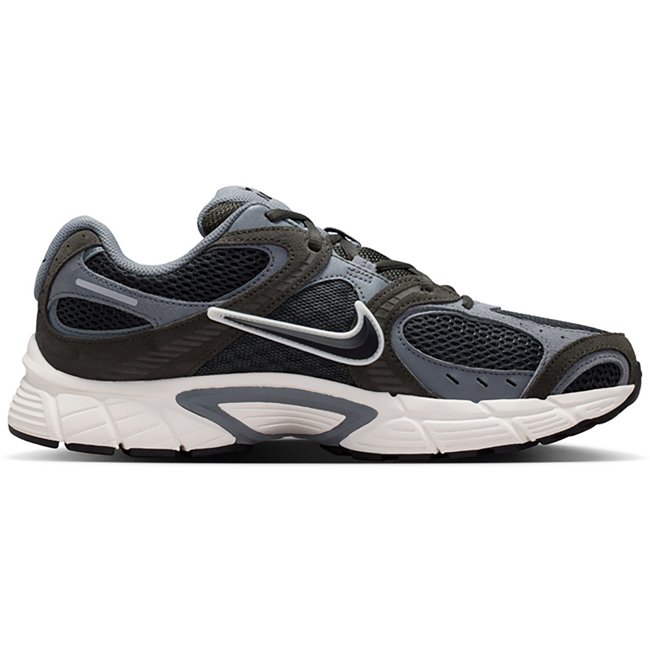
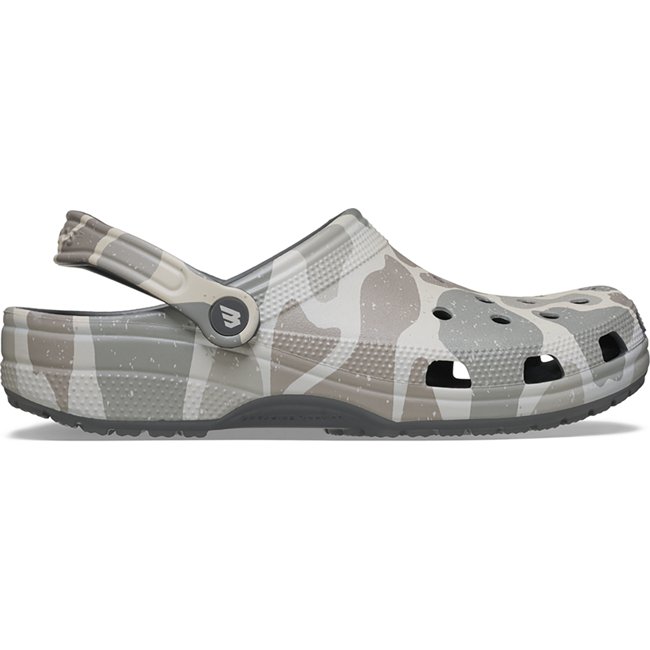
For a clog, check the available sizes and the way the strap is intended to be used. For a sneaker, review the fit around the heel and upper with the fastening adjusted. Try the exact pair where possible. The Crocs × BURLEBO Classic Clog brings a camouflage style to a familiar format; the Nike V5 Runner is another casual option to explore. Neither brief substitutes for a fit check.
Think about coverage and care
Compare the shape, materials and care instructions of your actual variants. An open design and a closed upper will fit different preferences for exposure, socks and cleaning. Consider the conditions you expect, but verify any product protection claims separately. Avoid assuming a casual shoe is intended for slippery surfaces, trails or athletic training unless the manufacturer explicitly supports the use you have in mind.
Choose for the repeated day
Imagine the pair with the outfits and routines you repeat most often. If the choice only makes sense for one photo or a rare occasion, reconsider its role. Review the retailer’s trial and return rules so you can evaluate fit without losing your options. A small shortlist with clear uses is easier to choose from than a long list organized only by color.
Your buying checklist
Tick items as you verify them. Your checklist stays on this page only.
This is a general shopping checklist, not a hands-on test report. Confirm current model details, instructions and policies with the retailer or manufacturer. Our editorial approach.