Begin with the space, not the number
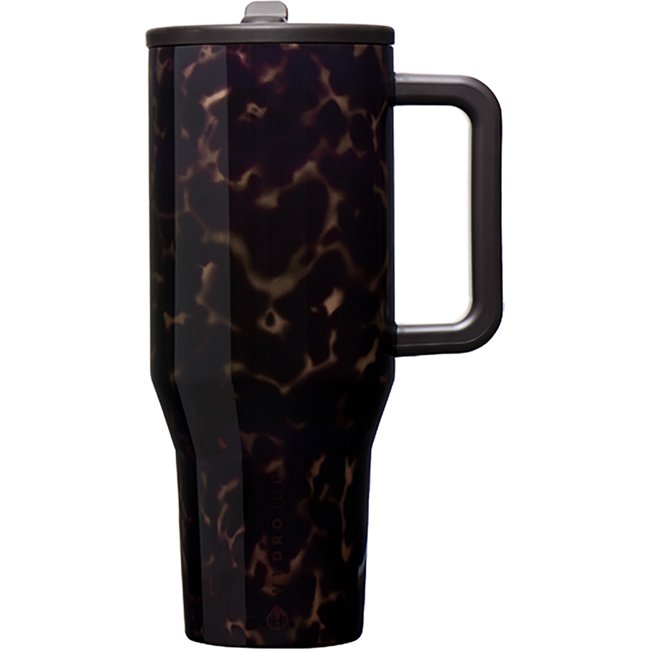
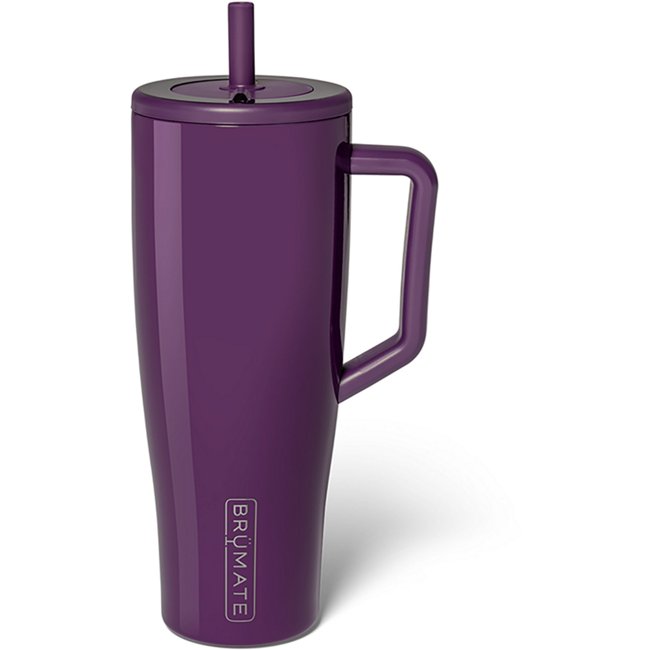
Write down where your drink container spends most of its time: beside a laptop, in a vehicle or in a bag. Measure that space before comparing capacity labels. Check base width, height and handle clearance on each current listing. The HydroJug Traveler 32 oz and BruMate Era 40 oz are useful starting points for a capacity comparison, but the labels alone do not tell you how either will fit into your routine.
Consider a full container
More water adds carrying weight and a larger body can affect balance or bag space. Look up the empty weight when it is provided, then consider how comfortable the filled setup will be for your commute. For a desk, you may value fewer refill trips; for walking between locations, portability might matter more. There is no single size that is best for every reader.
Compare the drinking and cleaning formats
Capacity does not describe the lid. Verify the exact drinking mechanism, closure instructions and whether the model is intended to travel upright. Read how to remove and wash the components. If a lid includes several parts, decide whether that routine works for you. Do not infer dishwasher suitability or leak resistance from a photo, customer comment or another product in the same brand’s range.
Use a shortlist with a clear trade-off
Compare two or three options against your measured space and your cleaning preferences. Note what you gain and what becomes less convenient with a larger container. Confirm current replacement-part availability and return terms before ordering. The practical winner is the option that meets your needs with details you can verify, rather than the one with the largest number on the label.
Your buying checklist
Tick items as you verify them. Your checklist stays on this page only.
This is a general shopping checklist, not a hands-on test report. Confirm current model details, instructions and policies with the retailer or manufacturer. Our editorial approach.